School Of Fish
The Diploma Handbook
All five awards and twenty-five badges, explained in turn. Every badge works on any water and any method.
THE DIPLOMA HANDBOOK
Five awards. Twenty-five badges. One angler made.
School Of Fish
How the Diploma works
The School Of Fish Diploma is how a complete beginner becomes a real angler, one clear step at a time. It is five awards earned in order, each made up of five badges, twenty-five in all. Every badge is a single, observable skill: a coach can see it done or not yet done, with no marking on a curve and no guesswork. The badges are written to work on any water and any method, whether you fish a whip on a canal, a pole on a commercial lake, a feeder on a river or a lure for predators. The skill is the same; only the tackle changes. This handbook goes through all five awards and all twenty-five badges in turn, explaining what each one is, what good looks like, and how an angler gets there. It is the detail behind the Diploma, for learners, parents and coaches alike.
Contents
- First Cast AwardI've done it once, with help.
- Hooked AwardI can do it with a coach standing back.
- Lone Ranger AwardI set up, fish, and pack down on my own.
- Thinking Angler AwardI don't just do, I adjust and explain.
- Graduate AwardI'm part of School Of Fish, not just a learner.
Twenty-five badges across the five awards, each with its own page in this handbook.
First Cast Award
I've done it once, with help.
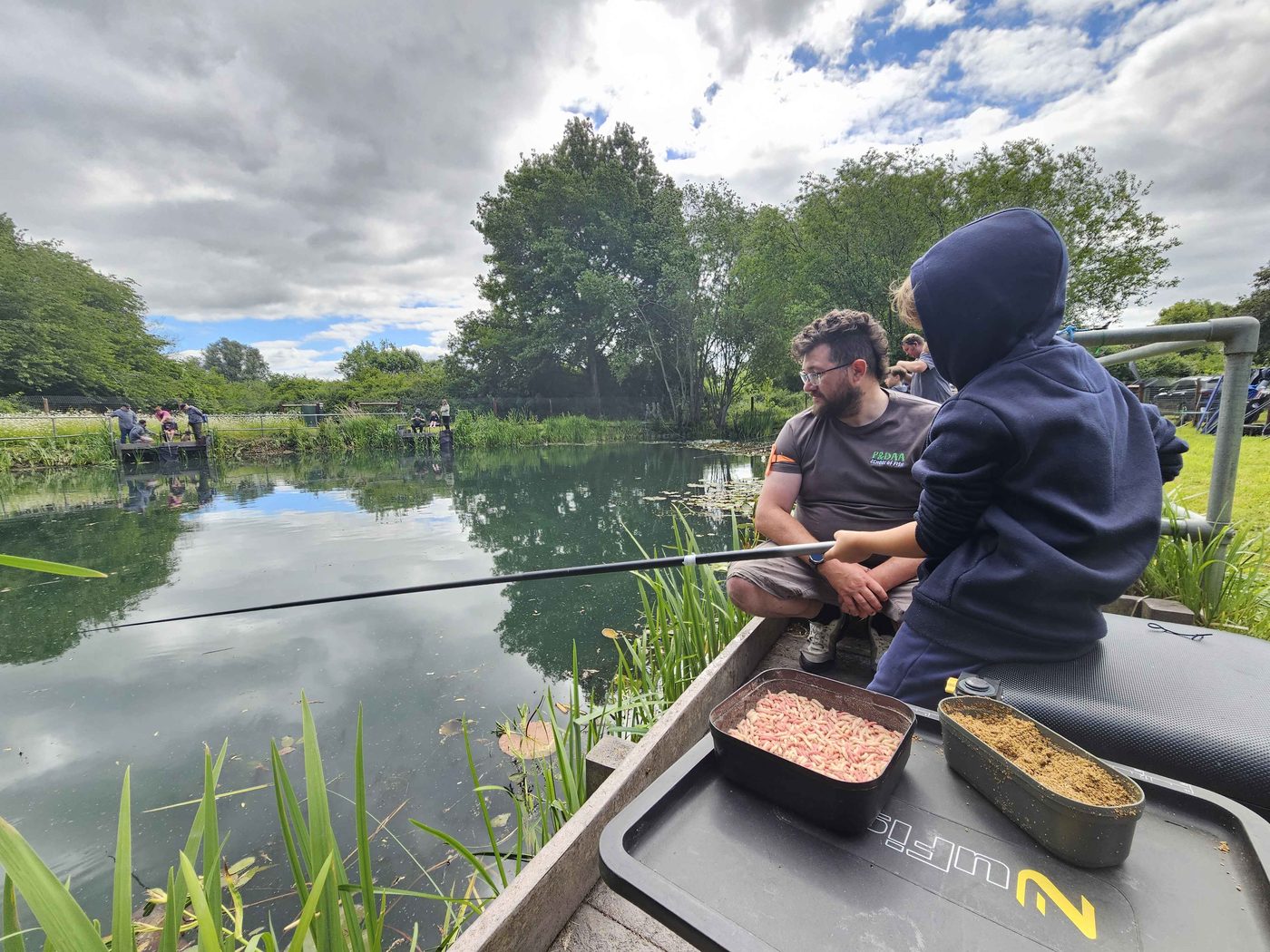
The very first steps. With a coach close by, a beginner meets the kit, learns to be safe on the bank, makes a controlled first cast, sees a bite, and lands a first fish. Nobody is expected to do anything alone yet. This award is about the first taste, and about making sure it is a safe, happy one for the angler and the fish alike.
Kit Check
“I can name a rod or pole, reel, line, hook, float and net.”
Every session starts with knowing what you are holding. A basic setup is the same handful of parts whatever you fish: something to reach the water (a rod with a reel, or a pole or whip with elastic at the tip), line to connect you to the fish, a hook to hold the bait, a float or tip to show a bite, and a landing net to bring a fish safely to hand. The learner points at each and names it. Whip on a canal or feeder rod on a lake, every discipline is built from the same six ideas, so when the kit changes the thinking does not. A coach checks this by asking the learner to name each part unprompted, then to say in one line what each one is for.
Safe Hands
“I know the bank safety rules and the don't-touch list.”
The bank is a safe place once a few rules are second nature. Look behind before any cast or swing, so the hook catches nothing and no one. Stay back from a wet or crumbling edge, where most slips happen. Keep bait and hands away from the face, and wash hands before eating. Then there is the short list of things a beginner never touches without a coach: a hook, a disgorger, a fish's gills or eyes, and anything sharp in the tackle box. This is not about fear. It is about the handful of habits that make angling about as safe as a day out gets. A coach looks for the learner doing these without being told, especially the look behind before casting.
First Cast
“I've made a controlled cast with a coach.”
The first cast is a controlled one, not a long one. Whether the learner is swinging a whip rig out underarm, shipping a pole to a spot, or casting a float with a rod and reel, the goal is the same: the bait lands where it was aimed, gently, without tangling. Distance comes later and matters less than control. A coach breaks it into steps, shows it slowly, then stands close while the learner tries, scaling help down as the movement settles. A cast that drops a rig two rod-lengths out on target beats one that flies twenty yards into a tree. The badge is earned when the learner can place the bait on a chosen line with the coach standing back, not taking the rod.
First Bite
“I've hooked a fish, landed or lost. The bite is what counts.”
A bite is the moment fishing becomes real. The float dips, slides or lifts, or the tip pulls round, and the learner responds. Landing the fish is a bonus here. What counts is that the learner saw the bite, understood what it meant, and struck or lifted into it. Fish are lost, especially early, and that is part of it. Reading the signal and reacting is the skill being built, because every method from pole to lure to leger comes down to noticing that a fish has taken and doing something about it in time. A coach watches for the learner spotting bites themselves rather than being told, and reacting without a long delay.
First Fish
“I've landed and held a fish for a photo.”
The first fish landed is the day a learner remembers for years. It ends a chain that started with kit and safety and a controlled cast, and it does not matter one bit what species it is or how big. A small silver fish on a whip is every bit the achievement a specimen is. The learner plays it, brings it over the net, and, if they want to, holds it wet-handed for a photo before it goes back. Touching a fish is always the learner's choice and never forced. A coach makes sure the fish is handled over an unhooking mat or the net, held for the shortest time, and returned strong, so the first fish is a good experience for the fish as well as the angler.
Hooked Award
I can do it with a coach standing back.
The coach takes a step back. Now the angler baits up properly, finds the depth, casts to a chosen spot, and plays and lands a fish without a hand on the rod. Fish are unhooked and returned with care. This award is where the basics start to become the angler's own, done with guidance rather than hands-on help.
Bait Up
“I can hook three different baits correctly.”
Different baits sit on the hook different ways, and getting it right is the difference between a bite and a bare hook. A maggot is nicked once through the tough end so it keeps wriggling. Sweetcorn is threaded so the hook point sits just clear. A piece of bread or a pellet is mounted so it stays on the cast but pulls off easily when a fish takes. The learner shows three baits hooked cleanly and safely, keeping fingers away from the point. This is deliberately about more than one bait, because an angler who understands why each is mounted its own way can pick up any new bait on any water and work it out. A coach checks the point is never buried carelessly and the bait would survive a gentle cast.
Plumb It
“I can plumb the depth of a swim with help.”
You cannot present a bait properly until you know how deep the water is, and plumbing is how an angler finds out. A plummet on the hook is lowered or swung to the spot, and the float is moved up or down the line until it sits just right, showing the bait is where it should be, on or just above the bottom. On a pole the float is set so its tip shows correctly with the plummet down; on a waggler the same idea applies with a heavier plummet that casts. Get it wrong and the bait either drags on the bottom or hangs too high. The learner does this with a coach's help, learning that the first job in any swim, on any method, is finding the depth. A coach guides the adjustment and explains what the float is telling them.
Cast to a Spot
“I can cast to a chosen marker three times in a row.”
Accuracy is what turns casting from a party trick into fishing. The learner picks a target, a far-bank feature, a lily pad, a spot where bait has gone in, and puts the rig there three times running. On a pole this means shipping out to the same point each time; with a rod it means the float or feeder landing on the same line and distance. Three in a row proves it was not luck. Fish gather where the feed is, so a bait landing in the same tight area repeatedly catches far more than one scattered around. Every discipline that puts a bait at range needs it. A coach watches for genuine repetition, not one good cast among misses.
Strike & Land
“I hook, play and land a fish without a coach taking the rod.”
This is the step from being helped to doing it. The learner sees the bite, strikes or lifts, and then plays the fish and nets it entirely themselves, with the coach alongside but hands off. Playing a fish means keeping the line tight, letting a bigger fish take line if it needs to on elastic or a clutch, and steering it over the waiting net. Doing it unaided proves the whole sequence has come together: bite, hook, play, land. Whip, pole or rod, only the cushioning changes. A coach stands close for safety and encouragement but does not touch the rod or the pole, and the fish is landed and returned by the learner.
Unhook & Return
“I can unhook a fish on a mat and return it safely.”
Catching a fish carries a duty to return it well, and this badge is where welfare becomes hands-on. The fish is brought to an unhooking mat or held over the net, handled with wet hands so its protective slime is not stripped, and the hook is removed gently with fingers or a disgorger. If a hook is awkward, the learner asks a coach rather than tearing at it. The fish is supported in the water until it swims off strongly under its own power. This matters as much as any catching skill, because an angler who cannot return a fish safely should not be catching them. A coach checks wet hands, a supported hold, minimal time out of water, and a strong release.
Lone Ranger Award
I set up, fish, and pack down on my own.
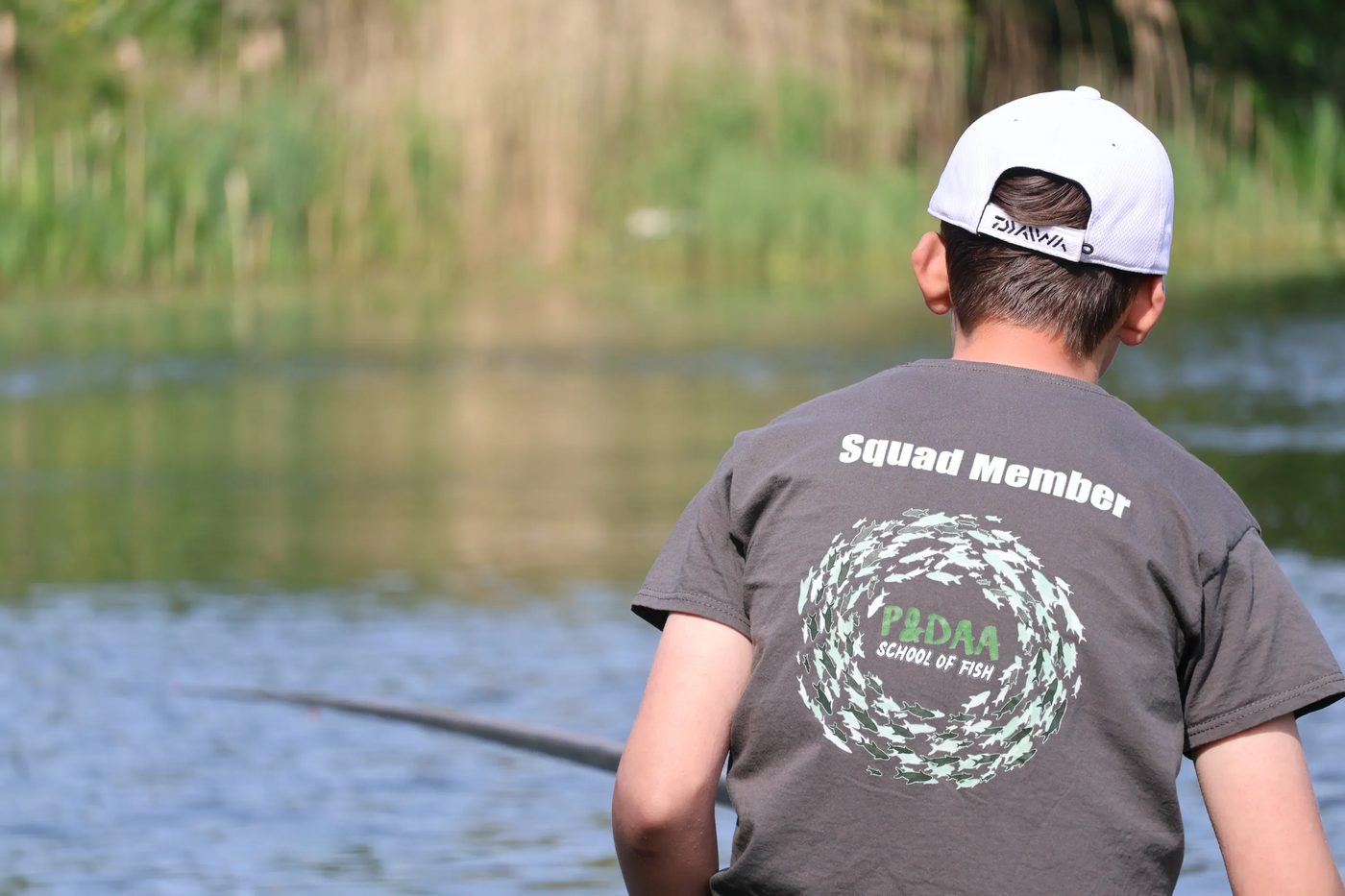
True independence. The angler tackles up from scratch, knows their own safety on the water, reads a peg and chooses where to fish, fishes a full session unaided, and leaves the bank cleaner than they found it. This award marks the point where an angler can fish on their own, safely and responsibly.
Set Up Solo
“I can tie a hook to line, tie a loop knot, and set up a whip or pole rig unaided.”
Independence starts with tackling up without help. The learner ties a hook to the line with a reliable knot, ties a loop knot to join rig sections, and assembles a working setup, a whip or pole rig, or a simple float rig, ready to fish. Knots are the weak point in any setup, so tying them properly and testing them is the foundation everything else sits on. Being able to build a rig from parts means an angler is never dependent on someone else to fish, and can adapt when a rig breaks down on the bank. The badge covers the same core skills whatever the discipline: join line to line, join hook to line, and put a balanced rig together. A coach checks each knot holds under a firm pull and the finished rig is balanced, hook length lighter than mainline so tackle is lost cleanly if it snags.
Bank Safe
“I know my nearest exit, the depth of my peg, what to do if I slip in, and how to help without becoming a second casualty.”
Fishing independently means owning your own safety and looking out for others. The learner can point to the nearest safe exit from the water, knows roughly how deep their peg is, and can say what to do if they slip in: stay calm, turn to the bank, and get out at the nearest low point. Just as important, they know how to help someone else in trouble without jumping in and becoming a second casualty, reaching or throwing rather than going in. This is the water-safety backbone of independent fishing. On a canal, a commercial lake or a river, it is the difference between a scare and a tragedy. A coach checks the learner can talk through exits, depth and a slip-in plan calmly and correctly.
Read the Peg
“I can choose a swim and explain why.”
Where you fish decides what you catch, and reading a peg is the thinking that comes before the first cast. The learner chooses a swim and explains the choice: the depth, the features that hold fish like reeds, overhanging trees, or the edge of a shelf, and how the wind and conditions push fish and food around. There is rarely one right answer, but there should be a reason. This is watercraft, the skill that separates an angler who understands water from one who just casts and hopes. A coach listens for a genuine reason tied to what is in front of them, not a guess.
Fish a Session
“I fish a full session start to finish, unaided.”
This is the whole thing put together and done alone. The learner sets up, plumbs the depth, feeds the swim, fishes, unhooks and returns what they catch, adjusts as the session goes, and packs down, all under their own steam with a coach only watching. It proves every earlier skill has become independent rather than prompted. A full session start to finish is the real test of an angler, because fishing is not one skill but many, run in sequence and adapted on the day. A coach observes a complete session and signs it only if the learner needed no hands-on help, stepping in for safety alone.
Pack Down Clean
“I pack away tidy and leave the peg cleaner than I found it.”
How an angler leaves a peg is a mark of the whole sport. The learner packs their kit away safely, takes every scrap of line, bait tub and litter home, and leaves the swim cleaner than they found it, picking up others' rubbish too if it is there. Discarded line and litter kill wildlife and turn landowners against angling, so this is not tidiness for its own sake, it is protecting the future of the places we fish. It is the same duty on every bank. A coach checks the peg is spotless, line is pocketed rather than dropped, and nothing sharp is left behind, and looks for the learner doing it as habit rather than on reminder.
Thinking Angler Award
I don't just do, I adjust and explain.
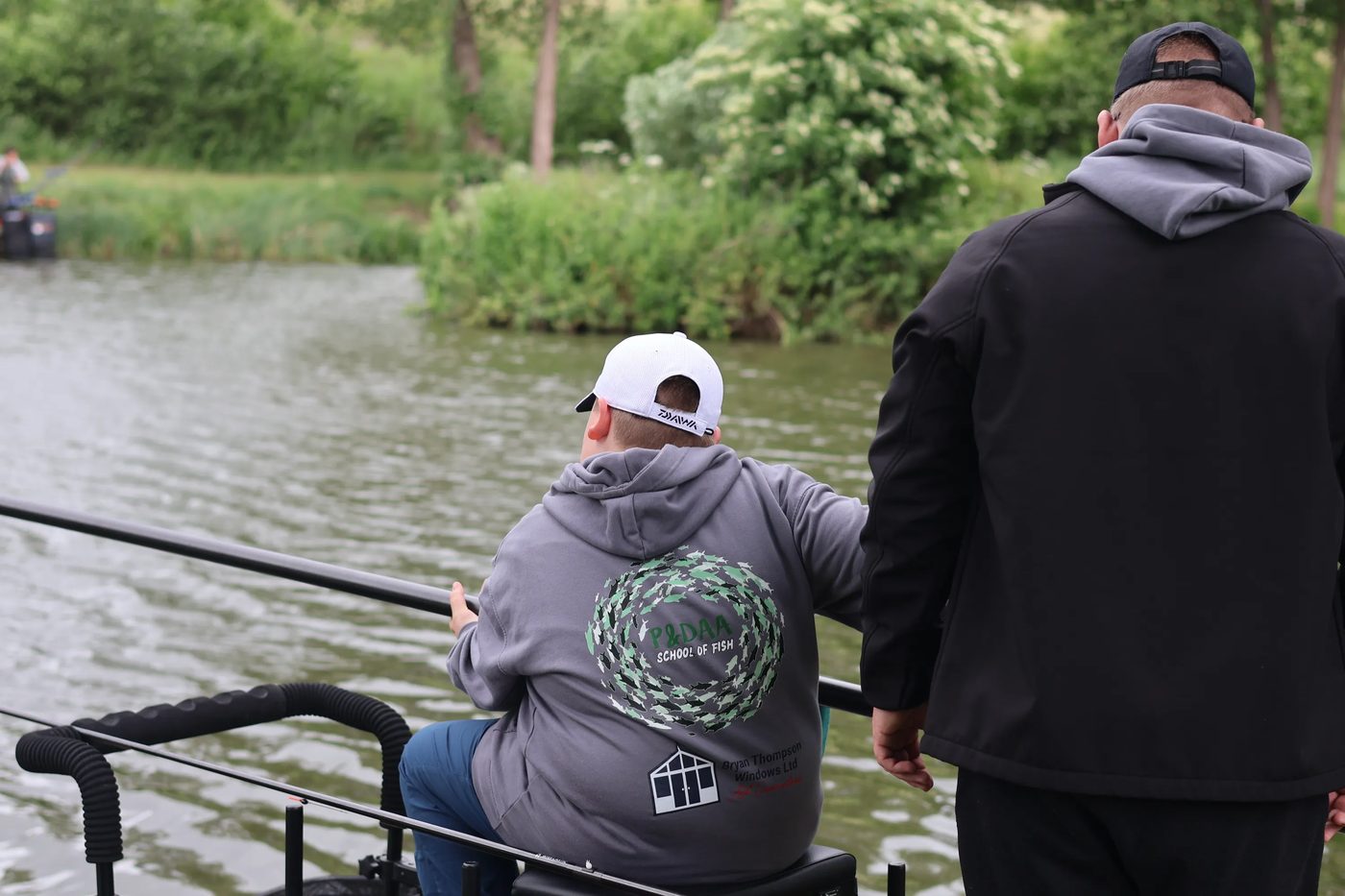
Angling as a thinking sport. The angler matches method to conditions, changes tack mid-session with a reason, catches a range of species across different waters and methods, and can explain a whole session out loud. This award is about understanding why, not just how, and it is where a future coach starts to show.
Match the Day
“I pick a method to suit the weather and water conditions, and I've shown I can adapt.”
A thinking angler reads the day and fishes to it rather than forcing a favourite method. The learner picks an approach that suits the conditions, the weather, the water temperature, how coloured or clear it is, where the fish are likely to be, and shows they can change if it is not working. Cold clear water might mean fishing deep and slow; a warm coloured lake might mean up in the water. There is no single correct method, only the one that fits today. This is the shift from doing what you were taught to deciding for yourself. A coach looks for a reasoned choice and a willingness to adapt mid-session rather than stubbornly sticking with a plan that has stopped catching.
Change It Up
“I switch bait, depth or rig mid-session and say why.”
When bites dry up, a good angler changes something on purpose and knows why. The learner switches a variable, the bait, the depth, the feeding, or the rig, mid-session and explains the reasoning: fish have moved up in the water, the bait is being ignored, the swim needs resting. It is deliberate problem-solving, not random fiddling. Fishing rewards the angler who notices what is happening and responds, and punishes the one who does the same thing for hours expecting a different result. A coach listens for a change made for a stated reason, and values the thinking as much as whether the change works, because reading the need to change is the skill.
Five Species
“I've caught five different species across at least two types of water.”
Different fish live differently, and catching five species stretches an angler's understanding. Across at least two types of water, a river and a lake, a canal and a commercial, the learner catches five different kinds of fish, each of which may want a different bait, depth or approach. A roach in open water, a perch near a feature, a tench in the margins: each teaches something new. Fishing several waters for several species builds a rounded angler rather than a one-trick one, and shows an ability to work out an unfamiliar fish on an unfamiliar venue. A coach confirms the species and that they came from genuinely different water types, and talks through what each one taught the learner about method and location.
Two Methods
“I've caught fish using two different methods.”
Every method has its day, and an angler who fishes only one is limited by it. The learner catches fish on two genuinely different approaches, float and feeder, pole and lure, waggler and leger, showing they can present a bait more than one way. Each method suits different fish, waters and conditions, so having two means being able to switch when one stops producing or the venue demands it. This is the practical side of adaptability: not just knowing another method exists but having caught on it. A coach confirms fish were caught on two distinct methods and that the learner can explain when each one is the right choice.
Talk Me Through It
“I can explain a session out loud, start to finish, like coaching a beginner.”
Explaining fishing is the first step to teaching it. The learner talks through a whole session out loud as if guiding a beginner: how they chose the peg, set up, plumbed, fed, fished, adapted and returned their catch. Being able to explain a thing clearly proves you truly understand it, not just do it by habit. An angler who can talk a newcomer through a session is on the way to being a coach, which is exactly how School Of Fish grows its own. It works the same whatever the discipline. A coach listens for a clear, ordered explanation that a genuine beginner could follow, with the reasoning made explicit rather than assumed.
Graduate Award
I'm part of School Of Fish, not just a learner.
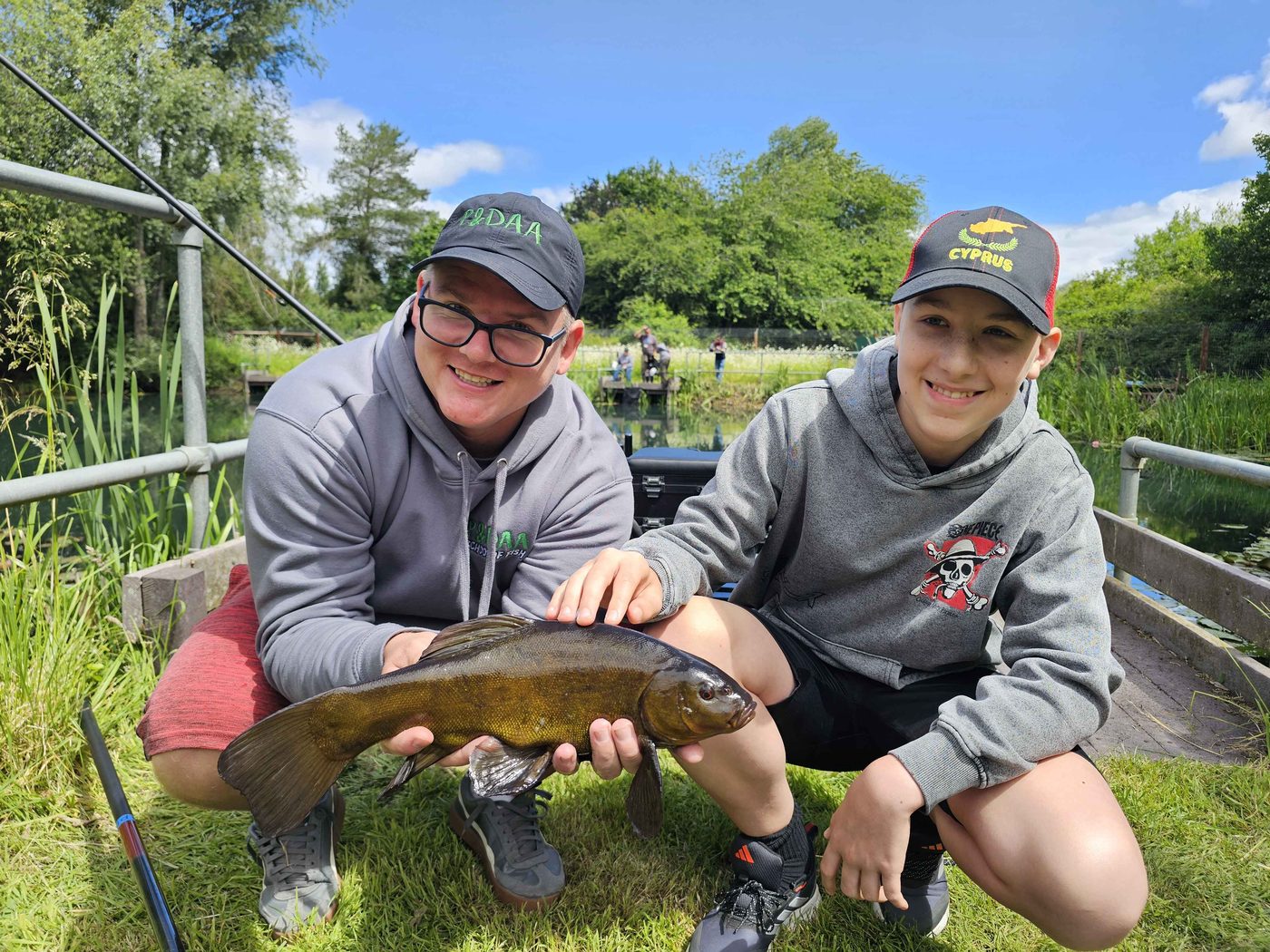
The complete angler. They plan and reflect on their own fishing, understand the whole fishery and their duty to it, own their kit with confidence, help a newer learner take their first steps, and set their own goals for what comes next. This award marks an angler who is part of the school, ready to pass on what they were given. Finish it and you are a Master Angler, and that is what your certificate says.
Your Best Day
“I plan, fish and reflect on a session of my choice.”
This is the learner's session, planned and owned by them. It could be a match, a specimen hunt, a species chase or a quiet day after one favourite fish. The learner sets the goal, plans the approach, fishes it, and reflects honestly afterwards on what went well and what they would change. Choosing and planning your own fishing, rather than following someone else's, is the mark of a complete angler with their own direction. There is no set discipline, the point is that the learner drives it. A coach helps only if asked, then talks through the reflection, valuing an honest account of a hard day as much as a story of a good one, because reflection is where real progress is made.
Fishery Aware
“I pass a basic fishery management check.”
A complete angler understands the water, not just the fish in it. This is a short check covering the things that keep a fishery healthy: fish welfare and correct handling, biosecurity and not spreading disease or invasive species between waters, close seasons and rules, water quality and the signs of a problem, predation, and the roles of the people who look after fisheries. It broadens an angler from someone who takes fish out to someone who understands the whole system and their responsibilities within it. The knowledge applies to every venue in the country. A coach or the online check confirms the learner understands welfare, biosecurity, rules and stewardship, and can explain why each matters rather than just reciting it.
Kit Confidence
“I can talk through my tackle box and explain what each item is for.”
By this stage an angler owns their kit rather than being puzzled by it. The learner talks through their whole tackle box, floats, hooks, shot, disgorger, line, rigs, tools, and explains what each item does and when they would reach for it. It is the confident, complete version of the Kit Check they earned right at the start, closing a loop that began with naming six basic parts. Understanding every item you carry means being able to fish, adapt and solve problems anywhere, and to help others do the same. The kit varies by discipline; the confidence does not. A coach listens for genuine understanding of each item's job, not just its name, including the tools of good fish care.
Pass It On
“I assist a coach with a newer learner for a full session.”
Every Master Angler has helped make another angler, and this is the badge that guarantees it. The learner assists a coach with a newer beginner for a full session, helping with kit, safety, casting and handling under the coach's direction. Teaching a beginner is where an angler discovers how much they truly know and takes real responsibility for someone else's day and safety. It is how School Of Fish grows its coaches from within, so that the sport keeps renewing itself. It works for any experienced angler, whatever they fish. A coach observes the learner supporting a beginner patiently and safely, and it is this experience, more than any catch, that marks the move from learner to part of the school.
Reflect & Recommend
“I complete a short written or spoken reflection on my fishing so far and set my own next goals.”
The Diploma ends with the learner looking back and looking forward under their own steam. In a short reflection, written or spoken, they consider how far they have come, what they are good at, what they want to improve, and set their own next goals in the sport. Being able to assess your own fishing honestly and set your own direction is what independent anglers do for the rest of their lives, long after any scheme. It is the skill that keeps someone improving without a coach at their shoulder. A coach or mentor talks the reflection through, but the goals are the learner's own, because the point of the whole Diploma is an angler who no longer needs to be led.
Ready to start?
The Diploma runs through every School Of Fish session. Every badge here is earned on the bank, to the same written standard, whatever you fish.
Back to the Diploma