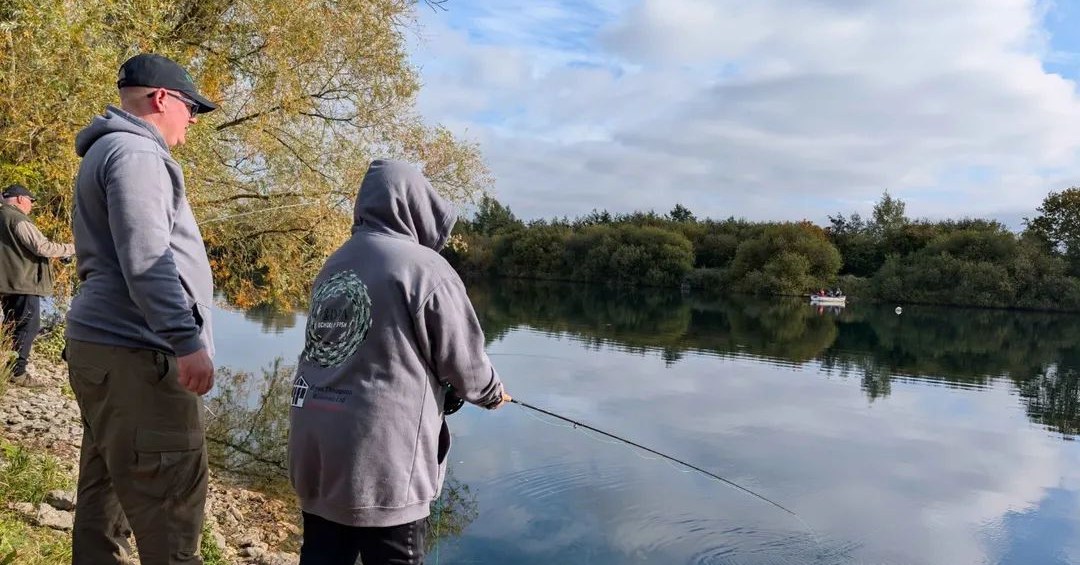
The School Library
Guides and know-how for new anglers.
Our shelf of fishing guides, with more going up over time. Open a section to dig in.
Before you tie a single knot, there's a bigger choice to make: what kind of fishing do you actually want to do? UK angling splits into a handful of very different sports. They share the basics, but a day chasing carp looks nothing like a day casting lures for pike, or fly fishing a trout stream. Most people start with coarse and branch out from there. Have a look through and see what pulls at you.
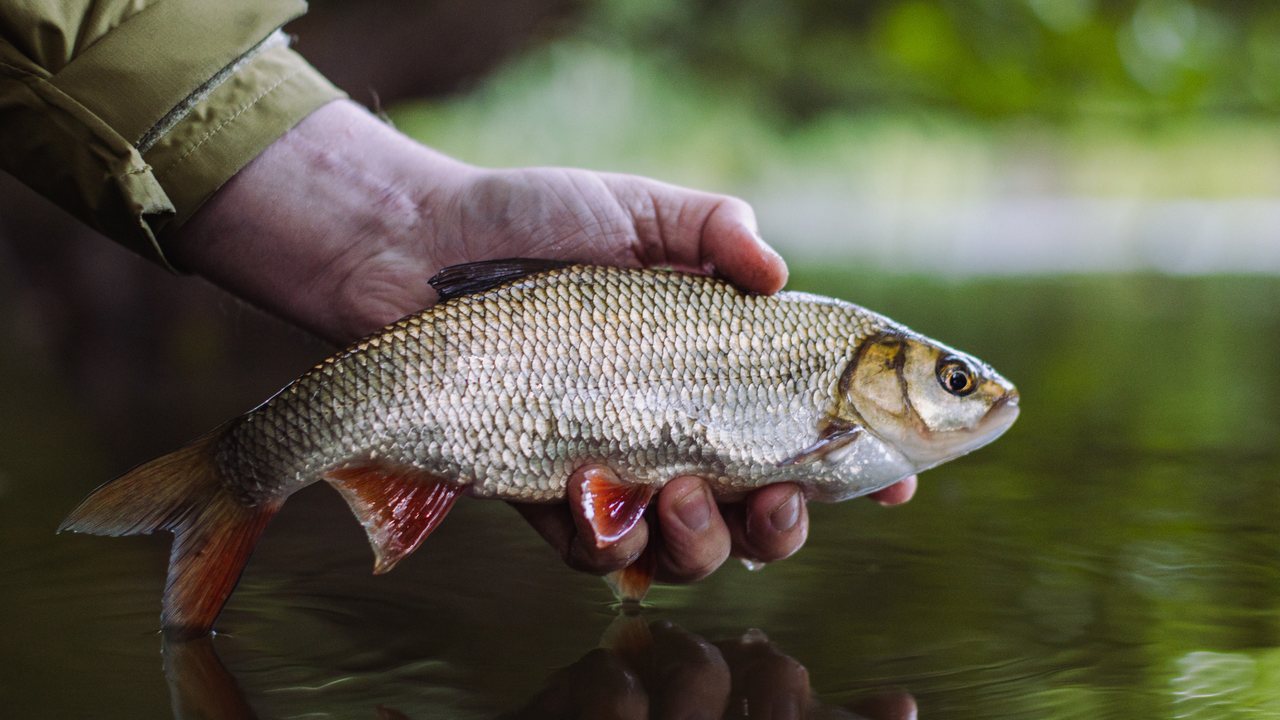
You're after roach, perch, bream, tench and the rest, the everyday fish of canals, rivers and local lakes. The kit is light and cheap to begin with, a rod, a float or a feeder and a few odds and ends. If you want to catch something today, and a good number of them, this is the way in. It's what our sessions and the Diploma are built around.
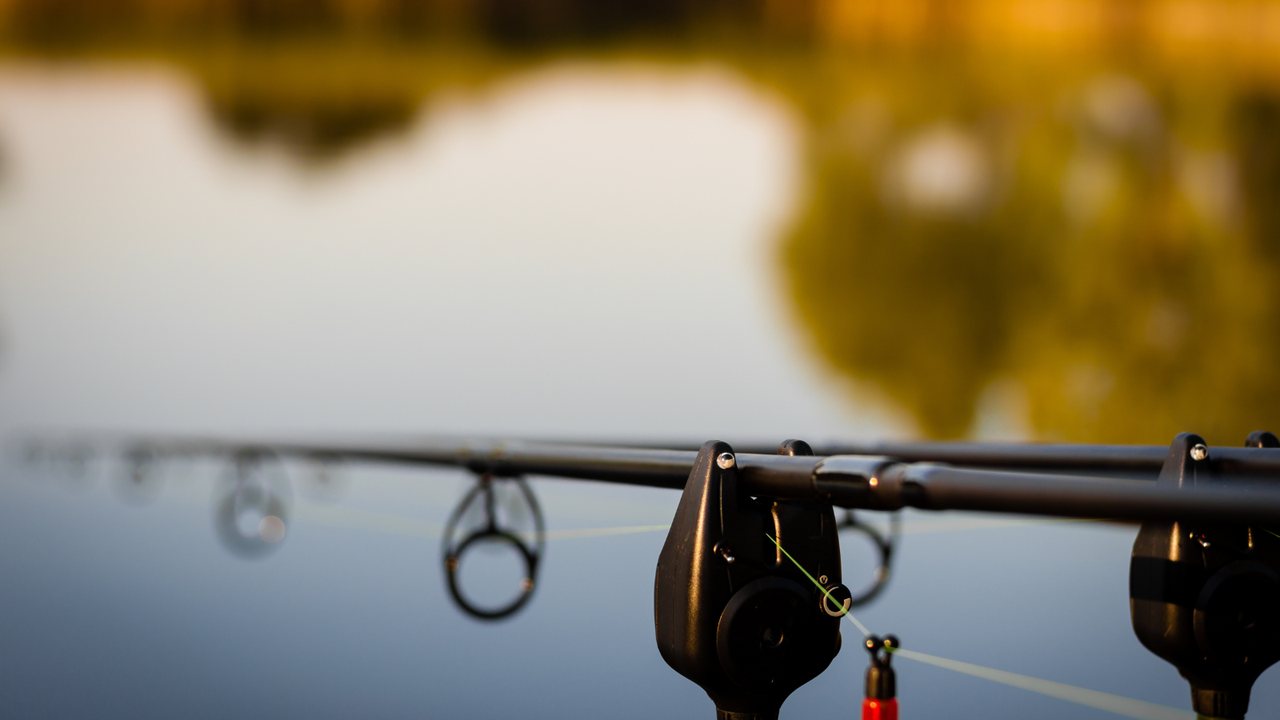
Carp grow big and pull hard, which is why so many anglers end up chasing them. It can mean a long wait for a single run, then a fish that bends the rod right over. The serious end gets specialist, with bigger rods, bite alarms and bait you prepare yourself, but you grow into all that. Start on coarse skills and we'll point you the right way.
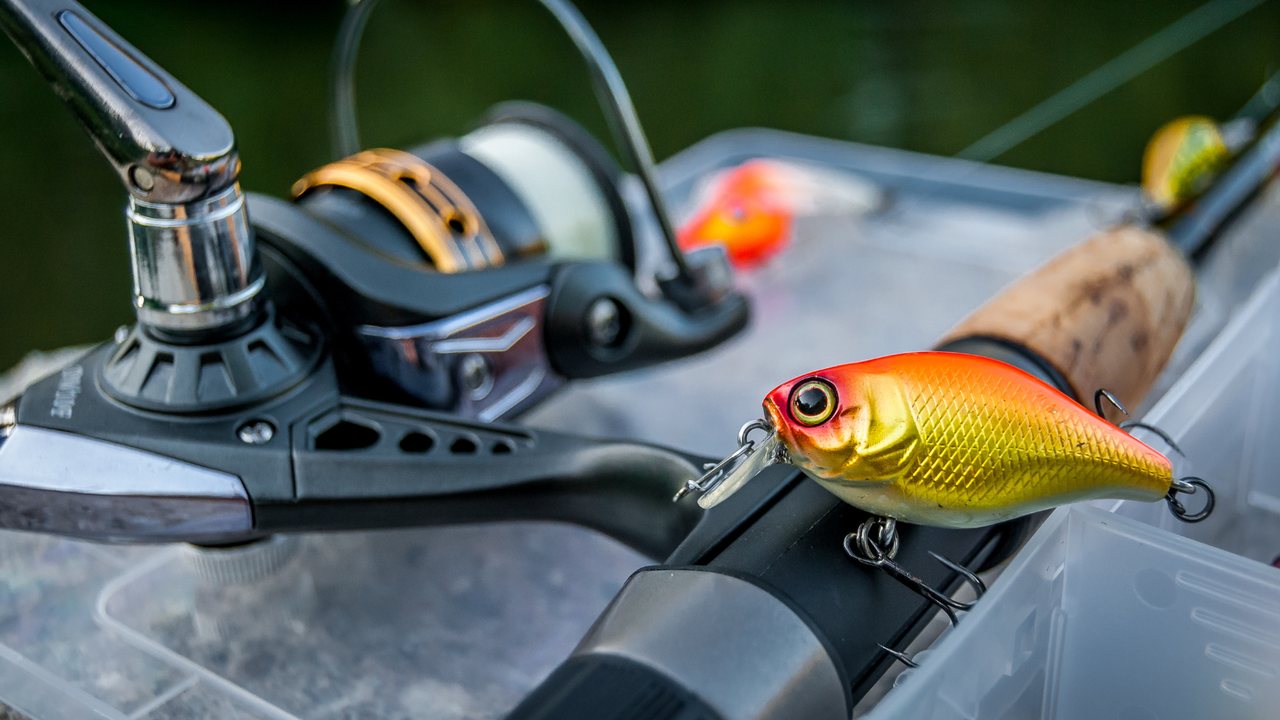
You're chasing the fish that eat other fish, pike, perch and zander, using lures you work through the water. It's active and roving, a lure rod and a box of lures and you're off, covering ground rather than sat behind a rod all day. Towns count too, perch and pike live in city canals and drains. If you can't sit still, this one's for you, and we run lure days once you've got the basics.
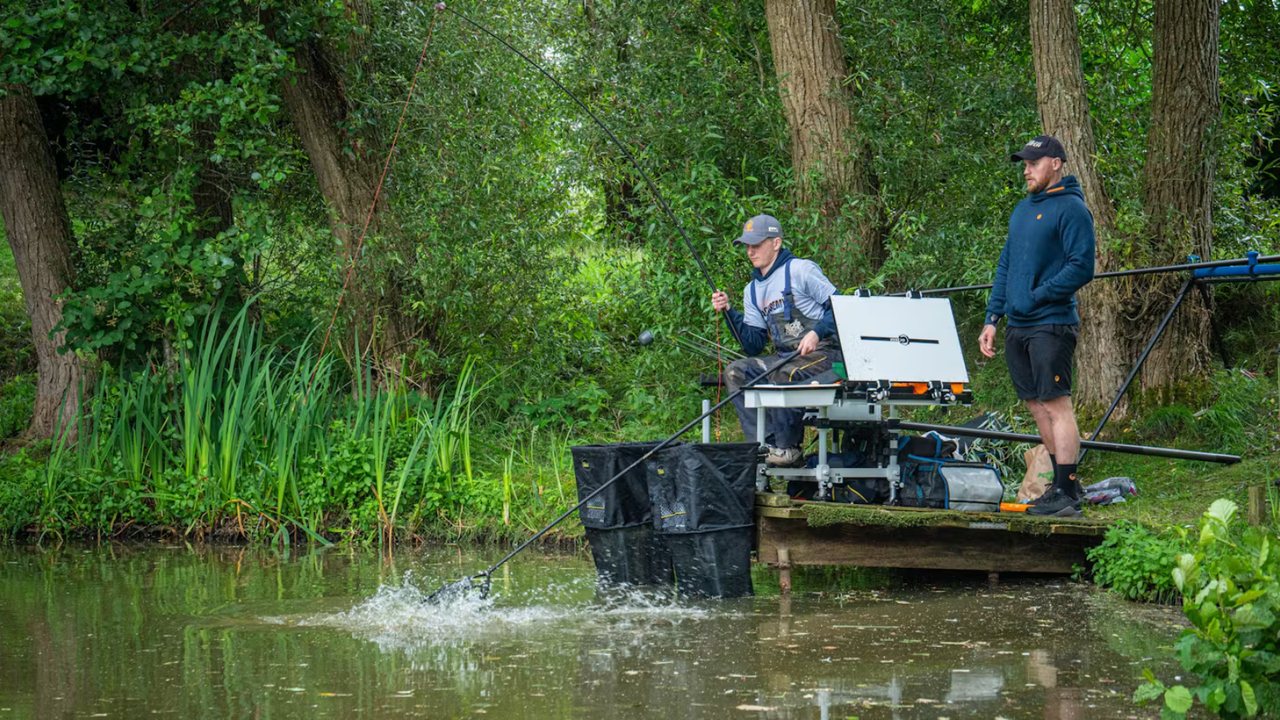
Everyone draws a peg, fishes the same few hours, then it all goes on the scales and the biggest catch wins. It's coarse fishing with a stopwatch and a bit of needle, fast, sociable, and a real buzz when it's your day. Most matchmen fish the pole and feed like clockwork, so it sharpens your watercraft fast. Our junior match team, the Squad, is where younger anglers get a taste of it.
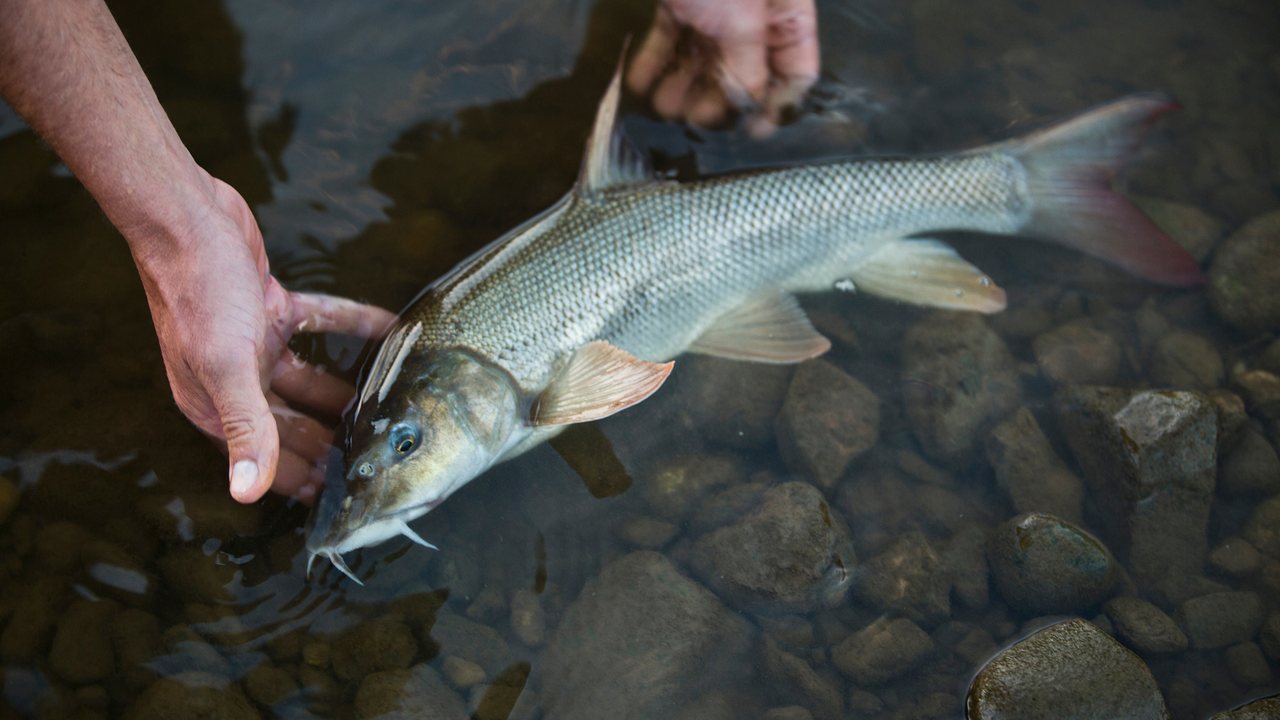
Specimen anglers pick a species and chase a big one, a proper perch, a double-figure bream, a barbel that tests the rod. It's slower and more considered than catching numbers, more about location and watercraft than piling up bites. Carp fishing is one branch of it, but you can specimen-hunt almost anything that swims. It's where a lot of anglers end up once catching plenty stops being enough.
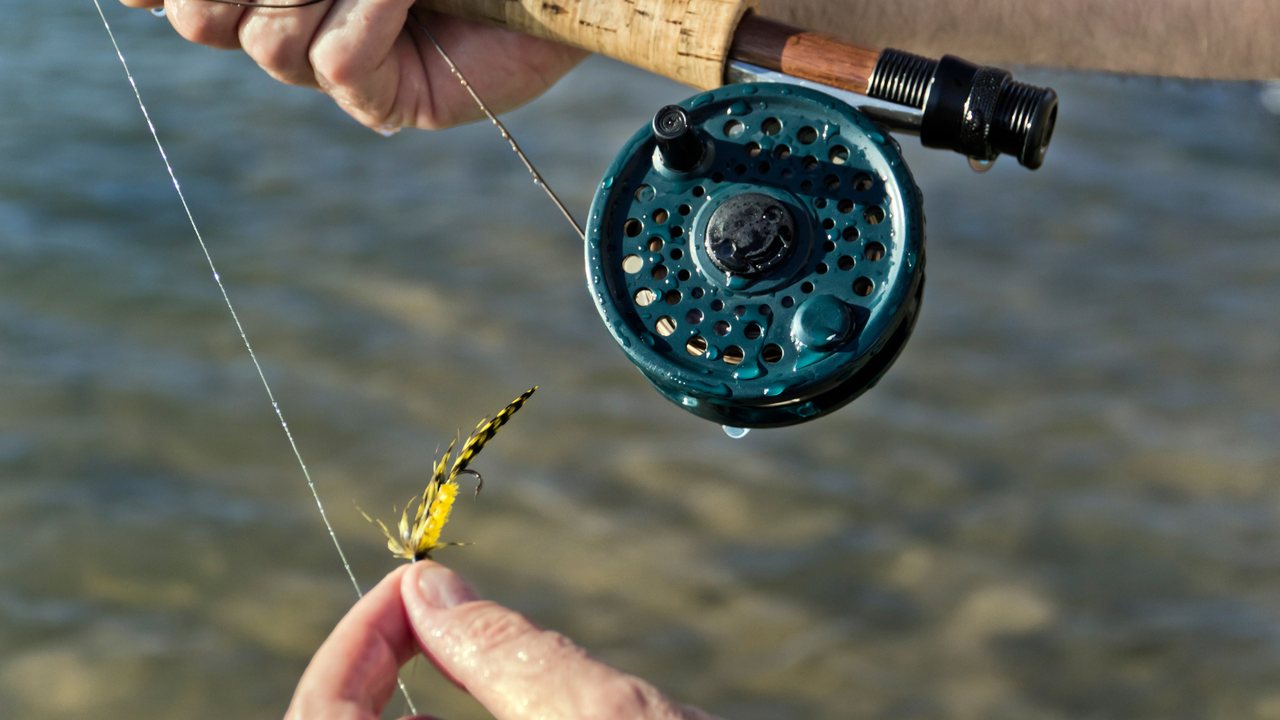
This is the fishing of clean rivers and reservoirs, mostly for trout and grayling, sometimes salmon. The fly rod works differently from everything else, and casting it well is a skill you build over time. Quiet water, moving about, and a real sense of craft to it. It isn't where we start beginners, but the watercraft and casting you learn with us carry straight over, and Ulvis is a fly man through and through.
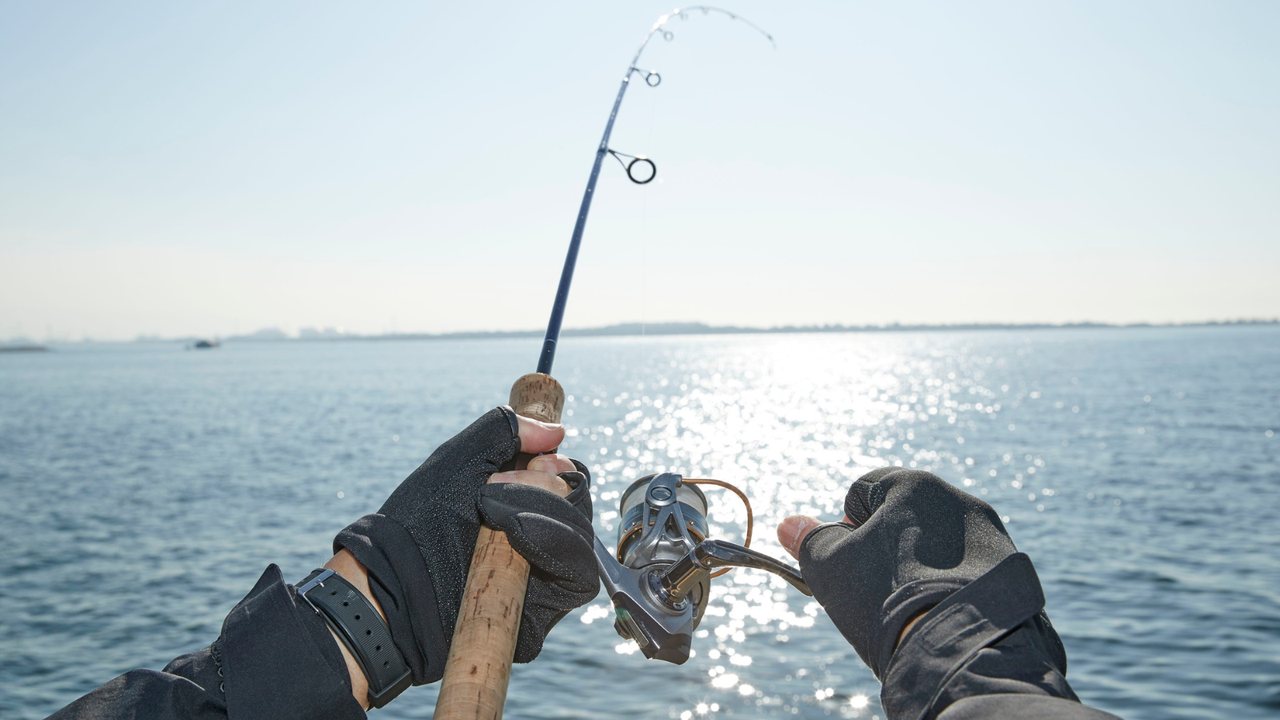
From a beach, the rocks or a boat, you're after bass, mackerel, flatfish and plenty more. The gear is heavier, built to cast a long way and stand up to saltwater, and the tide matters as much as the bait. It's the wildest version of fishing, and a good shout if you live near the coast. We're a freshwater school so it's not what we coach, but a cast, a rig and looking after the fish all start the same way.
Found your thing?
Whatever pulls you in, it starts the same way: on the bank with a coach, all the kit provided.
Half the fun is knowing what you've just caught. Telling a roach from a rudd or a chub from a dace, and handling each one the right way. It's part of the Diploma too. The Five Species badge asks you to catch and name five different fish across at least two types of water, and the The later Diploma badges take you further into the fishery itself, what lives there and how to look after it.
For the fish, and everything in and around the water, we lean on our partner Hydroscape. Its HydroLibrary has the detail to tell species apart and look after them properly.

Not sure what you've caught?
The HydroLibrary has it, with a photo-ID tool for when you're stuck.
Open the HydroLibraryA fish you catch is going straight back, so how you treat it for those couple of minutes matters. Get it right and it swims off to grow on and get caught again. Get it wrong and you've done real damage for the sake of a photo. None of it is hard, and most of it is habit. Fish care runs through the whole Diploma, and the Unhook & Return badge is where it starts.
A fish is covered in a slime coat that guards it against infection. Dry hands, a dry mat or a dry cloth wipe it off and leave the fish open to disease. Dunk your hands in the water before you pick one up, every time. The same goes for anything else that touches it.
Swinging a fish in puts its full weight on the hook hold and the line, and it hits the bank hard if it drops off. Slip a landing net under it instead and lift gently. Use a soft, knotless mesh, the old knotted nets damage fins and scales. The net needs to be big enough to fit your chosen fish comfortably, at least 30 inches across for specimen fish and 42 for carp.
A disgorger or a pair of forceps slides the hook back the way it went in, with no tearing. Barbless or micro-barb hooks come out cleaner still, which is why many fisheries insist on them. If a fish is hooked deep, don't pull. Cut the line close and leave the hook, and it'll often shed on its own.
It's not only gravel and concrete that does damage. Soft grass can hide stones, old hooks and sharp rubbish you can't see. So the mat goes down for every fish, wherever you're standing. Keep it wet, or it strips the slime off like dry hands do.
Hold a fish with two hands and support its belly. Never squeeze it or hang it up by the lip. Do it low over the mat or the water, so a wriggle ends in a soft landing and not a drop. A quick photo is fine, but have the camera ready first and get the fish back fast.
Lower the fish into the water and hold it upright until it's ready. A tired fish needs a moment, and if you let go too soon it can roll over. When it kicks and swims off under its own steam, it's good to go.
Best shown, not read
A coach will have you handling and returning fish properly in a single session.